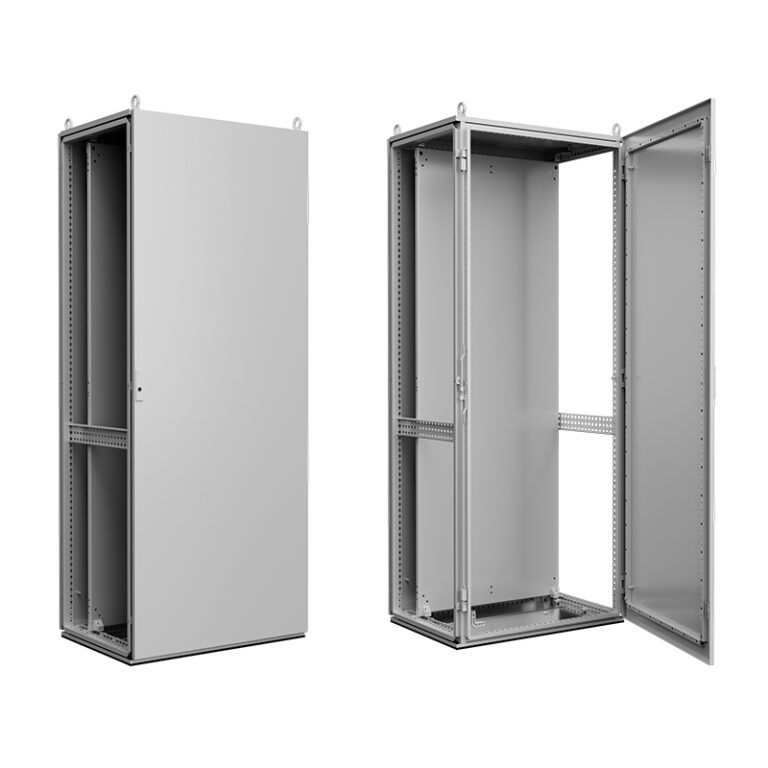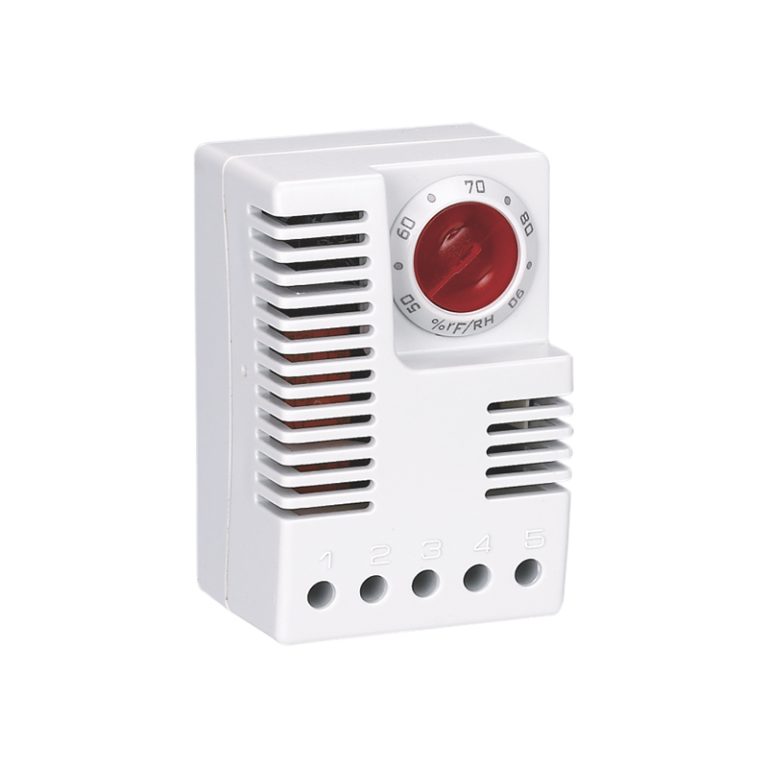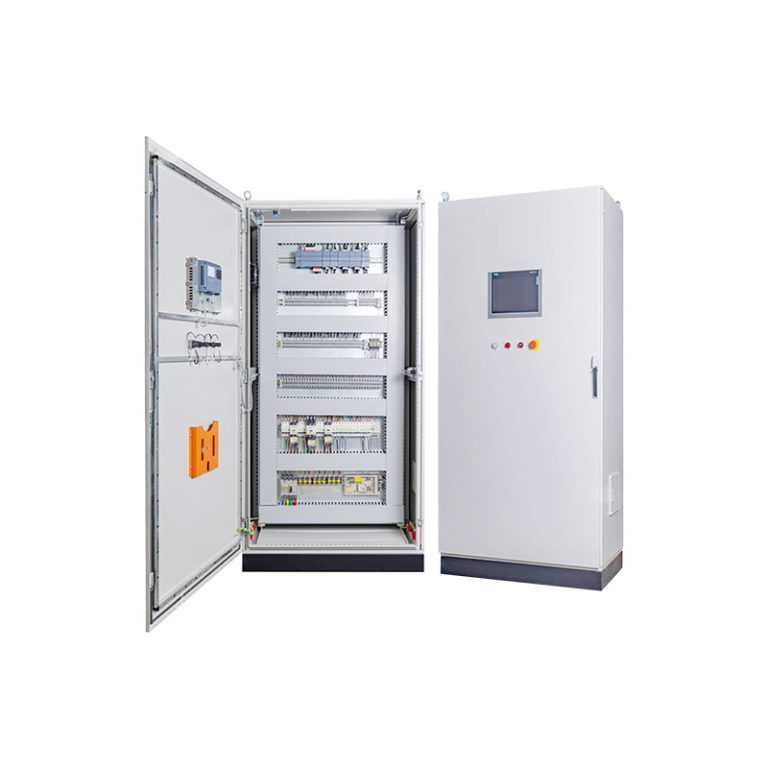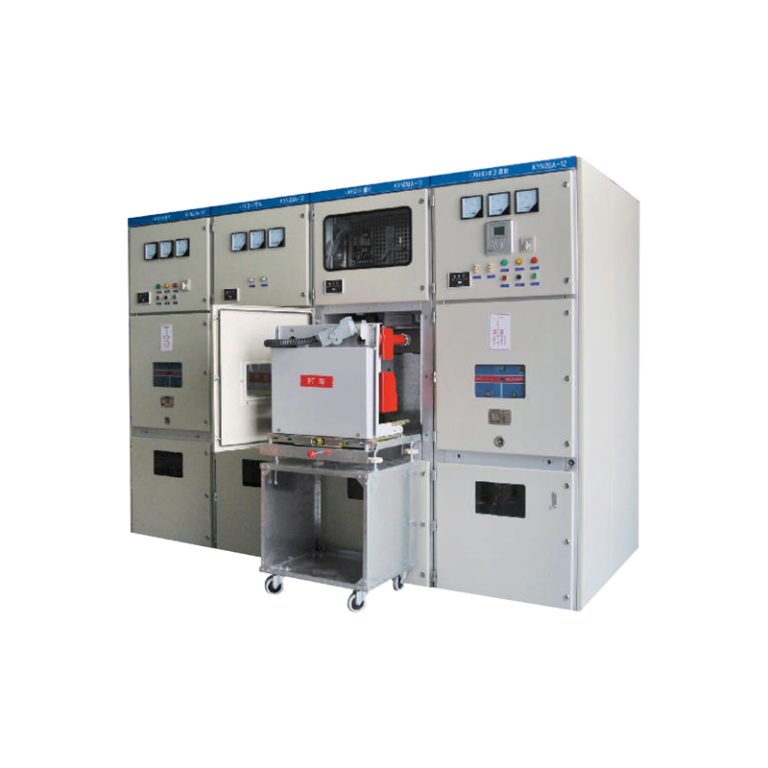

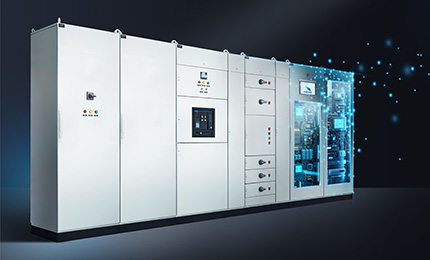

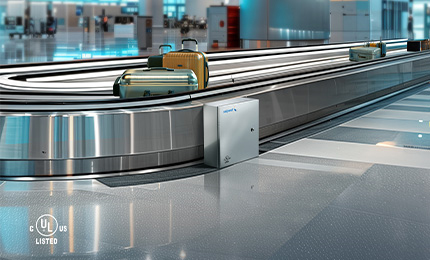


A distribution box is an electrical enclosure that receives power from a main supply and distributes it to multiple protected branch circuits. Also called an electrical distribution box, power distribution box or DB box, it helps organize electrical connections, isolate circuits and protect wiring and connected equipment from electrical faults.
Distribution boxes are used in residential, commercial and industrial electrical systems. Their size and internal configuration vary according to the voltage, current, number of circuits, protection requirements and installation environment.Types of Distribution Boxes
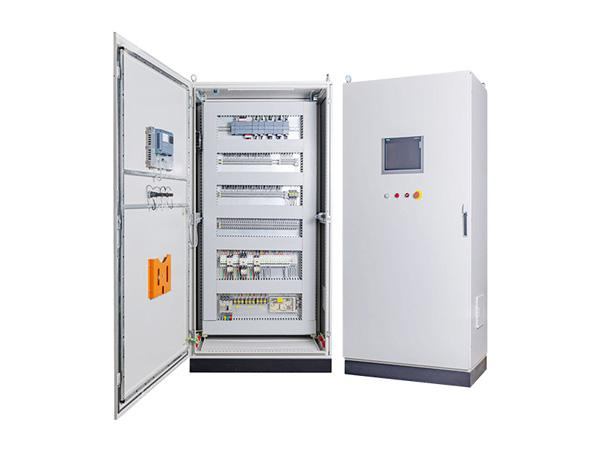
Key Takeaways
- A distribution box divides one incoming electrical supply into multiple outgoing circuits.
- Typical components include a main switch, busbars, circuit breakers, neutral and earth bars, terminals and an enclosure.
- Distribution boxes can be classified by their position in the electrical system, application, material and installation method.
- The correct box should be selected according to voltage, phase, rated current, circuit quantity, protection devices, enclosure rating and future expansion needs.
What Is a Distribution Box?
A distribution box is a central point in an electrical system where an incoming power supply is divided into separate outgoing circuits. Each outgoing circuit normally supplies a specific load or area, such as lighting, sockets, machinery, HVAC equipment or other electrical devices.
The box does more than organize wiring. Depending on its design, it may contain circuit breakers, fuses, residual-current protection and other devices that disconnect a circuit when an overload, short circuit or leakage fault occurs.
The main functions of a distribution box include:
- Distributing incoming electrical power to multiple circuits or loads
- Providing individual protection for outgoing circuits
- Allowing circuits to be isolated for maintenance or emergencies
- Keeping electrical components and wiring organized
- Protecting internal devices from contact, dust, moisture and mechanical impact when a suitable enclosure is used
The terms distribution box, distribution board, breaker box and electrical panel may overlap in some markets. The exact name often depends on the region, system size and product configuration.
How Does a Distribution Box Work?
A distribution box receives power through an incoming cable and routes it through switching, distribution and protection components before supplying the outgoing circuits.
Incoming Power Supply → Main Switch or Breaker → Busbar → Branch Circuit Breakers → Outgoing Circuits
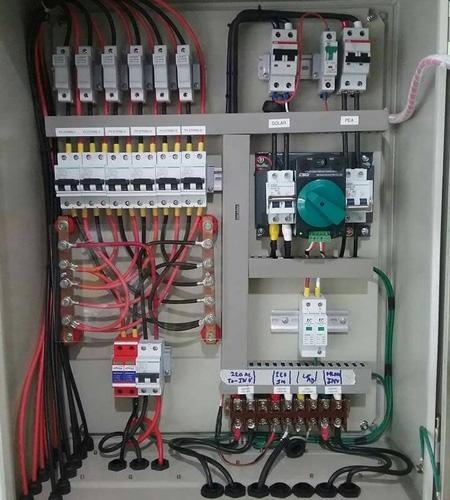
The basic working process is as follows:
- Power enters the distribution box. The incoming cable carries electrical power from an upstream source, such as a main switchboard, transformer, utility supply or another distribution board.
- The main switch controls the incoming supply. A main switch, isolator or main circuit breaker allows the complete distribution box to be disconnected when maintenance or emergency isolation is required.
- The busbar distributes power internally. The incoming supply is connected to one or more busbars, which provide an organized way to feed the outgoing protective devices.
- Protective devices control individual circuits. Circuit breakers or fuses are assigned to different outgoing circuits. Their ratings are selected according to the connected load, conductor size and system requirements.
- Outgoing cables supply separate loads. Each protected circuit delivers power to a specific area, machine, socket group, lighting system or other electrical load.
- A fault is isolated from the rest of the system. If an overload or short circuit occurs, the relevant breaker trips or fuse operates, disconnecting the affected circuit while other circuits may continue operating.
The internal arrangement varies between single-phase and three-phase systems and between residential, commercial and industrial installations. Protective devices must therefore be selected and coordinated according to the actual electrical design.
Main Components of an Electrical Distribution Box
The exact components inside an electrical distribution box depend on its application and system design. A simple residential unit may contain only a main switch and several miniature circuit breakers, while an industrial distribution box may require larger breakers, monitoring devices, surge protection and more complex busbar arrangements.
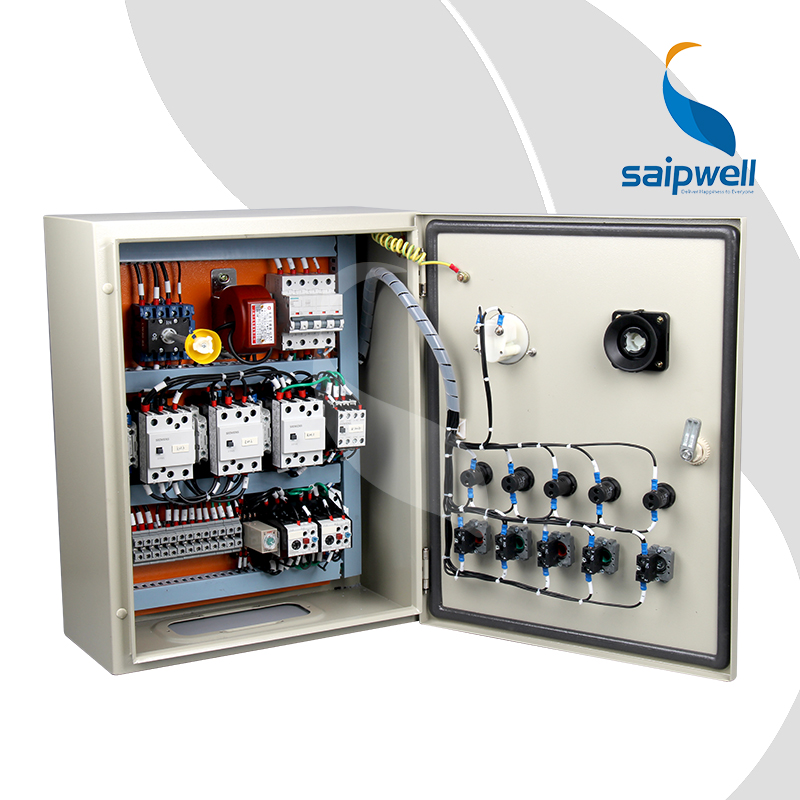
Components of a distribution box
| Component | Main Function |
| Enclosure | Houses the electrical components and helps protect them from contact, dust, water, impact and other external conditions. |
| Main Switch or Isolator | Disconnects the incoming power supply from the complete distribution box. |
| Main Circuit Breaker | Provides incoming circuit protection and may also serve as the main disconnection device. |
| Busbar | Carries and distributes electrical current from the incoming supply to multiple outgoing circuits. |
| MCB or MCCB | Protects individual circuits against overloads and short circuits. MCCBs are generally used for higher-current applications. |
| Fuse | Interrupts excessive current by opening the circuit when its rated limit is exceeded. |
| RCD, RCCB or RCBO | Provides residual-current or earth-leakage protection. An RCBO combines residual-current and overcurrent protection. |
| Surge Protective Device | Helps limit transient overvoltage where surge protection is required by the system design. |
| Neutral Bar | Provides organized connection points for neutral conductors. |
| Earth Bar | Provides connection points for protective grounding conductors. |
| DIN Rail | Supports modular devices such as MCBs, RCDs, relays and terminal blocks. |
| Terminal Blocks and Cable Entries | Organize incoming and outgoing wiring and provide suitable entry points for cables and conduits. |
Main Types of Distribution Boxes
Distribution boxes can be classified in several ways. In actual projects, the classifications often overlap. For example, one product may be an outdoor, metal, wall-mounted sub-distribution box used in an industrial facility.
By Position in the Electrical System
Main Distribution Board
A main distribution board receives the main low-voltage supply and distributes power to sub-distribution boards, large equipment or major building zones. It is normally designed for higher current levels and may contain a main incoming breaker, busbars, metering and multiple outgoing feeders.
Sub-Distribution Board
A sub-distribution board is installed downstream from the main distribution board. It supplies a particular floor, workshop, production area, building section or group of equipment, reducing the need to run every final circuit directly from the main board.
Final Distribution Board
A final distribution board is the last distribution stage before electricity reaches final circuits such as lighting, sockets, appliances or local equipment. In residential applications, it may also be called a consumer unit, fuse box or breaker box.
By Application
| Type | Typical Use | Important Considerations |
| Residential Distribution Box | Lighting, sockets, household appliances and other home circuits | Number of ways, residual-current protection, available installation space |
| Commercial Distribution Box | Offices, retail buildings, schools, hotels and public facilities | Circuit zoning, maintenance access, HVAC and lighting loads |
| Industrial Distribution Box | Machinery, production lines, motors, workshops and control systems | Current capacity, fault level, mechanical strength and operating environment |
| Outdoor Distribution Box | Infrastructure, utilities, outdoor machinery and service installations | IP or NEMA rating, UV exposure, rain, dust and corrosion resistance |
| Temporary Power Distribution Box | Construction sites, events, maintenance work and temporary equipment | Socket configuration, portability, circuit protection and installation conditions |
By Material and Installation
Metal Distribution Box
Metal distribution boxes provide good mechanical strength and are widely used in commercial and industrial installations. Depending on the environment, the enclosure may be manufactured from painted steel, galvanized steel, stainless steel or another suitable metal.
Plastic Distribution Box
Plastic distribution boxes are lightweight and naturally resistant to corrosion. ABS, polycarbonate and other engineered plastics are commonly used for residential, commercial and selected outdoor applications, depending on the required protection and material properties.
Indoor and Outdoor Distribution Boxes
Indoor boxes are intended for protected locations with limited exposure to weather. Outdoor boxes require an enclosure and sealing design suitable for rain, dust, sunlight, temperature changes and other environmental conditions.
Wall-Mounted and Floor-Standing Distribution Boxes
Wall-mounted boxes save floor space and provide convenient access for small and medium-sized systems. Floor-standing units provide more internal space for larger breakers, busbars, cable routing and higher circuit quantities.
For smaller sealed enclosure applications, you can also refer to our guide to [waterproof junction box sizes and materials].
Surface-Mounted and Flush-Mounted Distribution Boxes
A surface-mounted box is installed directly on a wall or supporting structure. A flush-mounted box is recessed into a wall to reduce projection and provide a cleaner appearance, particularly in residential and commercial buildings.
Distribution Box vs Distribution Board, Electrical Panel and Junction Box
Electrical enclosure terminology is not identical in every country. Distribution box and distribution board are often used interchangeably, while electrical panel is a broader term whose meaning depends on the market and application. Junction boxes and terminal boxes perform different connection functions and normally do not replace a distribution box.
| Term | Primary Function | Typical Contents | Common Use |
| Distribution Box | Divides an incoming electrical supply into multiple protected circuits | Main switch, busbars, circuit breakers, neutral and earth bars | Residential, commercial and industrial power distribution |
| Distribution Board | Usually performs the same basic power distribution and circuit protection function | Breakers or fuses, busbars, switches and related protective devices | Common terminology in IEC-oriented markets and building installations |
| Electrical Panel | A broader term that may describe a distribution, protection or control assembly | May include breakers, meters, relays, switches, controllers or other devices | Power distribution, machine control, building systems and industrial automation |
| Junction Box | Houses and protects wire joints, branches or splices | Wires, connectors, cable glands and splicing components | Locations where cables meet, change direction or branch |
| Terminal Box | Provides organized terminal connection points between cables and equipment | Terminal blocks, connectors, cable entries and grounding points | Motors, instruments, machinery and field wiring connections |
A junction box or terminal box normally does not contain the complete branch-circuit protection and power distribution arrangement found in a distribution box. The product name should therefore be confirmed according to its actual internal configuration and intended function.
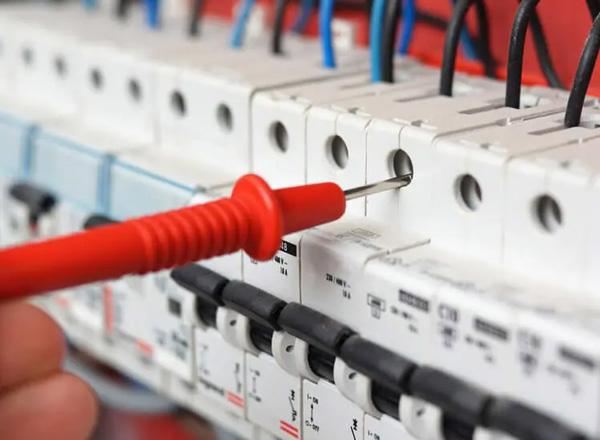
Precautions for selection and installation
For a more detailed comparison, read our article on the [difference between a terminal box and a junction box].
How to Choose the Right Distribution Box
Choosing the right distribution box depends on the installation environment, protection requirements, system load, and enclosure material. A suitable choice helps improve safety, reliability, and long-term performance.
Choose Based on the Installation Environment
The first step is to consider where the distribution box will be installed. Indoor environments usually require less protection than outdoor or industrial settings. If the box will be exposed to rain, dust, humidity, or harsh weather, a more robust enclosure is needed.
Choose Based on IP Protection Rating
The IP rating is an important factor, especially for outdoor or demanding environments. Lower IP ratings may be enough for protected indoor use, while higher ratings are better for installations that require stronger protection against dust and water.
Choose Based on Load and Circuit Requirements
You should also consider the number of circuits, current load, and possible future expansion. A distribution box should provide enough internal space and capacity for both current needs and future upgrades.
Choose Based on Material
Metal distribution boxes are often preferred for industrial applications that require higher strength and durability. Plastic distribution boxes are commonly used where corrosion resistance, lower weight, or lighter-duty performance is more important.
Looking for a suitable distribution box for your project? Explore SAIPWELL’s power distribution box and vertical distribution box solutions for different installation environments and power distribution needs.
Applications of Distribution Boxes
Distribution boxes are used in many types of electrical systems because they provide a safe and organized way to distribute power.
Industrial Applications
In factories, workshops, and processing plants, distribution boxes help manage power distribution to machinery, equipment, and control systems.
Commercial Buildings
In offices, shopping centers, schools, and public buildings, distribution boxes support lighting systems, HVAC equipment, and general building power distribution.
Residential Systems
In homes and apartment buildings, distribution boxes are used to distribute power to lighting circuits, sockets, and household electrical equipment.
Energy and Infrastructure Projects
Distribution boxes are also used in infrastructure, utilities, renewable energy systems, and outdoor service installations where reliable power distribution is required.
Conclusion
A distribution box receives an incoming electrical supply and divides it into separate protected circuits. Its main components may include a main switch, busbars, circuit breakers, residual-current devices, neutral and earth bars, terminals and a protective enclosure.
The right distribution box depends on its position in the electrical system, application, voltage, phase, rated current, number of circuits, required protective devices, installation method and environmental conditions. These details should be confirmed before selecting a standard product or developing a customized electrical distribution solution.
SAIPWELL supplies electrical enclosures and customized power distribution solutions for residential, commercial, industrial and infrastructure applications. Share your electrical specifications, circuit quantity and installation requirements with our team for product recommendations.
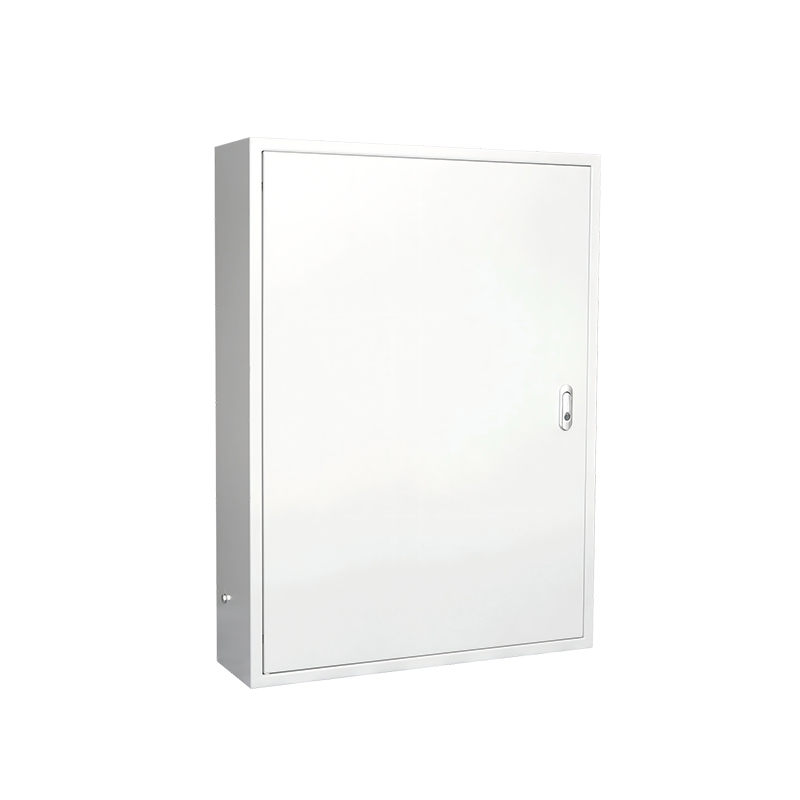
Saipwell SPi Integrated Energy Distribution Box
FAQ
What is a power distribution box?
A power distribution box is a distribution unit that receives one electrical input and supplies multiple circuits or outlets. The term may describe a fixed distribution board or a portable unit used for temporary power, depending on the application.
What components are inside a distribution box?
Common components include an enclosure, main switch or breaker, busbars, branch circuit breakers, neutral bar, earth bar, terminals and wiring. RCDs, RCBOs, surge protection, meters and monitoring devices may also be included.
Is a distribution box the same as a breaker box?
In many residential applications, breaker box is a common name for a distribution box containing circuit breakers. However, distribution box is a broader term that can also describe commercial and industrial assemblies.
Can a distribution box be installed outdoors?
Yes. An outdoor distribution box should have an enclosure material, sealing structure and IP or NEMA protection level suitable for the expected rain, dust, sunlight, temperature and corrosion conditions.