




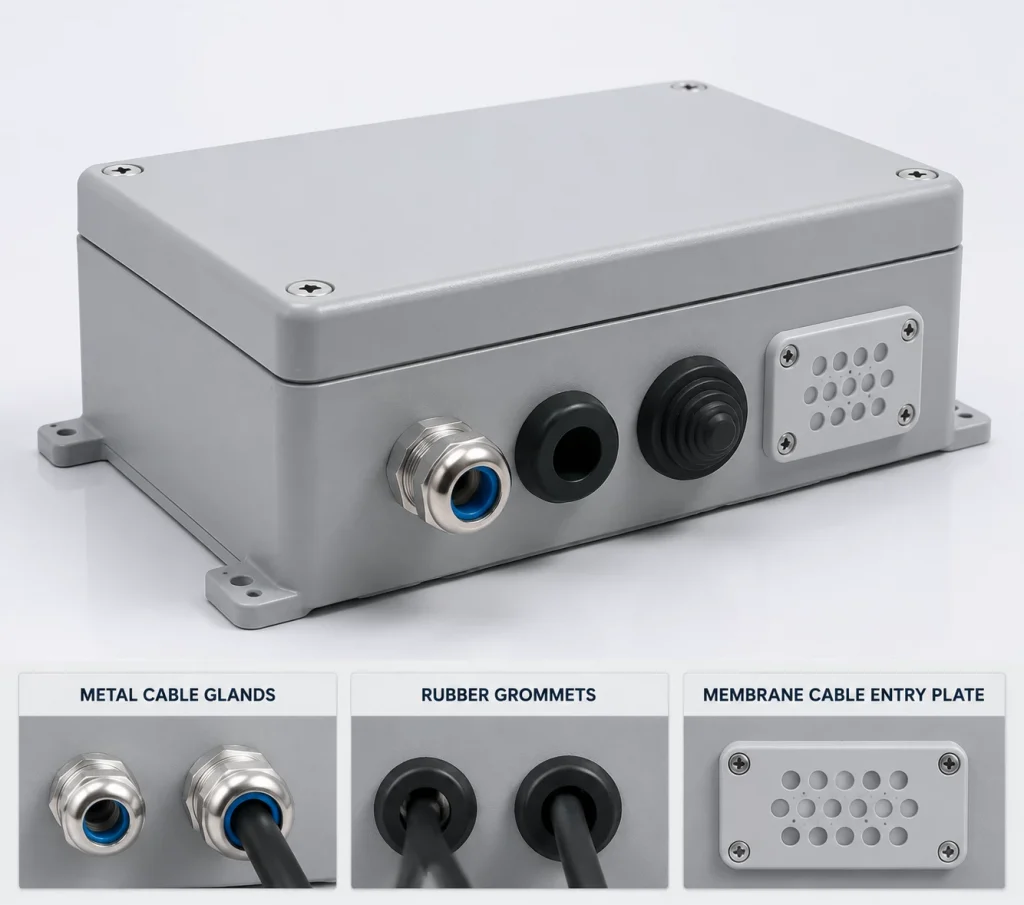
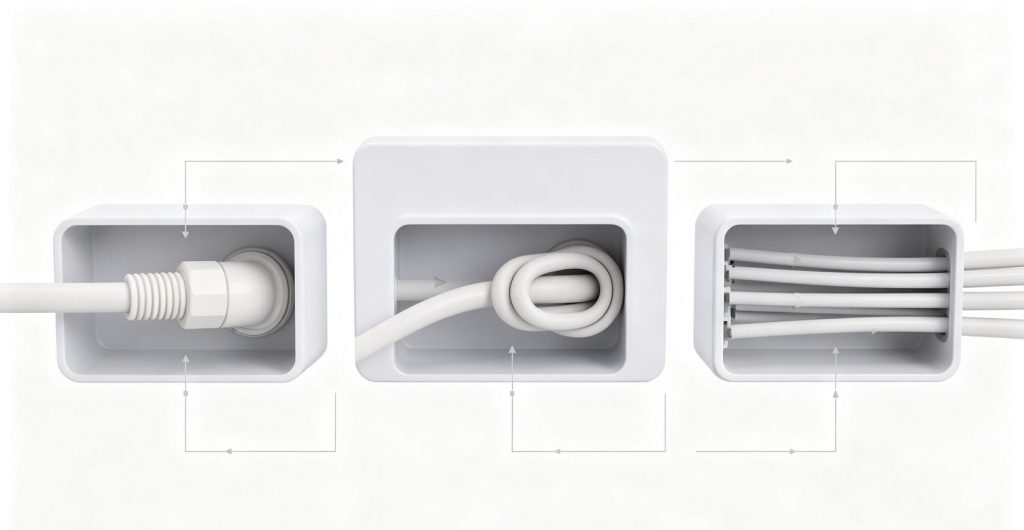
Junction box cable entry systems allow cables to pass safely through an enclosure while maintaining sealing and cable protection. Cable glands are suited to individual cables requiring reliable sealing and strain relief, rubber grommets provide simple edge protection, and membrane entries support faster, higher-density cable routing.
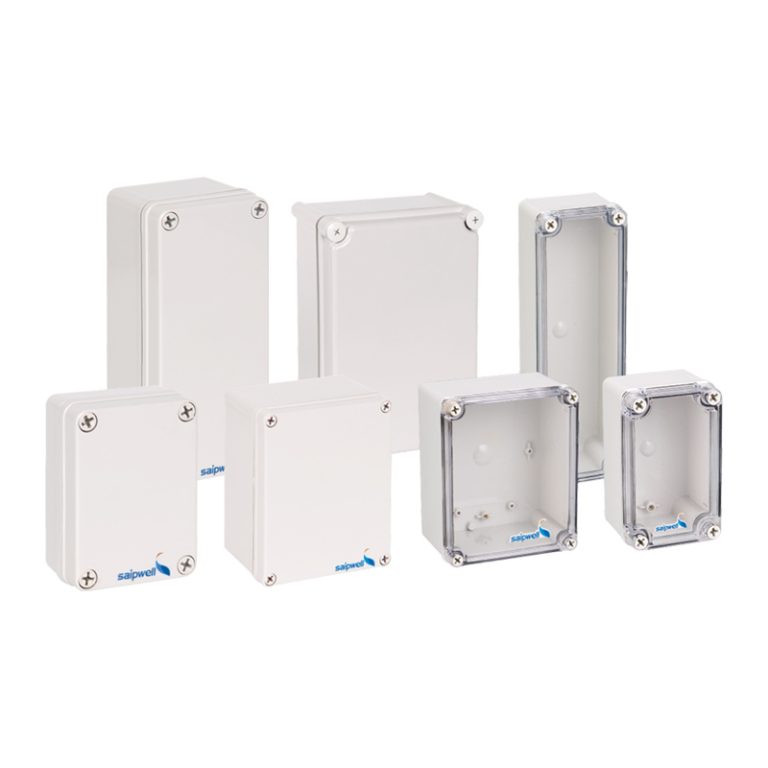
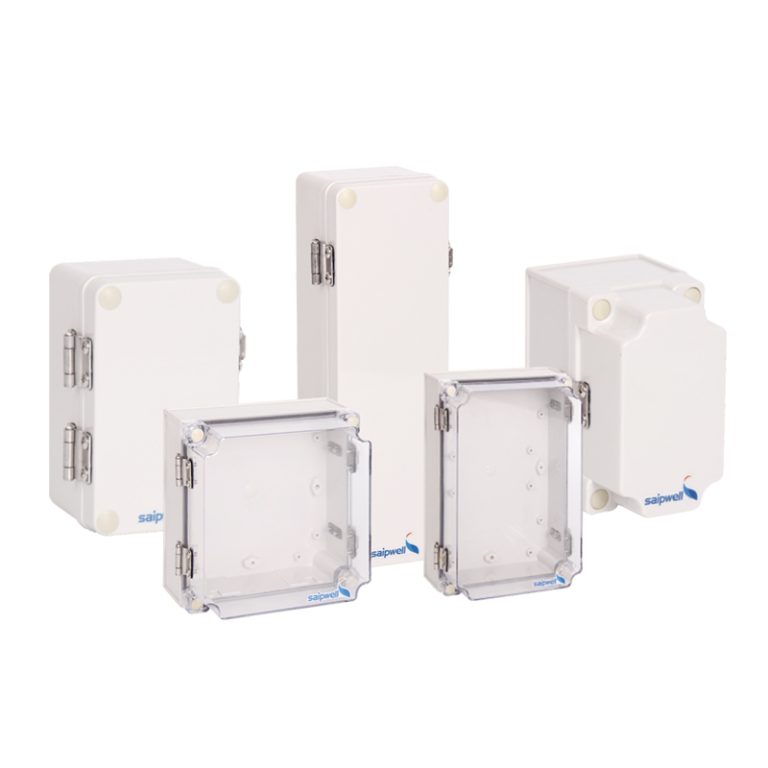
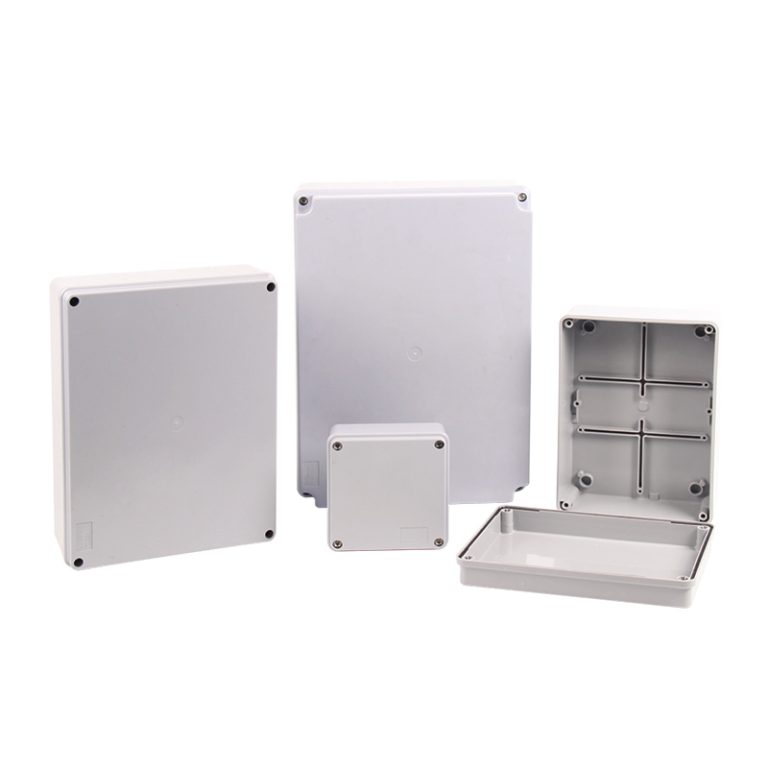
The correct choice depends on cable quantity, outside diameter, connector status, environmental exposure and mechanical requirements. The entry method should therefore be selected together with the enclosure, especially when using a plastic waterproof box outdoors or in dusty and humid environments.
Key Takeaways
- Cable glands provide sealing and strain relief for individual cables.
- Rubber grommets mainly protect cables from sharp enclosure edges.
- Membrane entries allow faster installation of multiple cables.
- Pre-terminated cables may require split glands or split entry frames.
- The final IP or NEMA protection depends on the complete installed assembly.
What Is a Junction Box Cable Entry System?
A junction box cable entry system is the interface through which power, control, signal or communication cables pass through an enclosure wall. It may need to:
- Prevent water and dust from entering the box.
- Protect the cable jacket from abrasion.
- Limit movement and stress on internal terminals.
- Support orderly installation and maintenance.
- Preserve the required enclosure protection rating.
Every opening interrupts the continuous enclosure wall. The selected cable entry must therefore seal both the mounting hole and the area around the cable.
An IP-rated enclosure does not automatically retain the same protection after cables are installed. Cable fit, unused openings, entry components and installation quality all affect the completed assembly.
Three Main Junction Box Cable Entry Systems
Cable Glands
A cable gland is a mechanical entry device that seals and secures a cable where it enters a junction box. A typical design includes a threaded body, sealing insert, compression nut and, where required, a sealing washer and locknut.
Tightening the compression nut closes the seal around the cable jacket. This provides environmental protection and prevents pulling forces from reaching terminals inside the box.
Cable glands are commonly used for outdoor equipment, industrial controls, motors, sensors and other applications where individual cables require reliable strain relief.
Common materials include polyamide, nickel-plated brass and stainless steel. EMC cable glands are also available for shielded cables, although a metal gland installed in a plastic box may require a separate grounding connection.
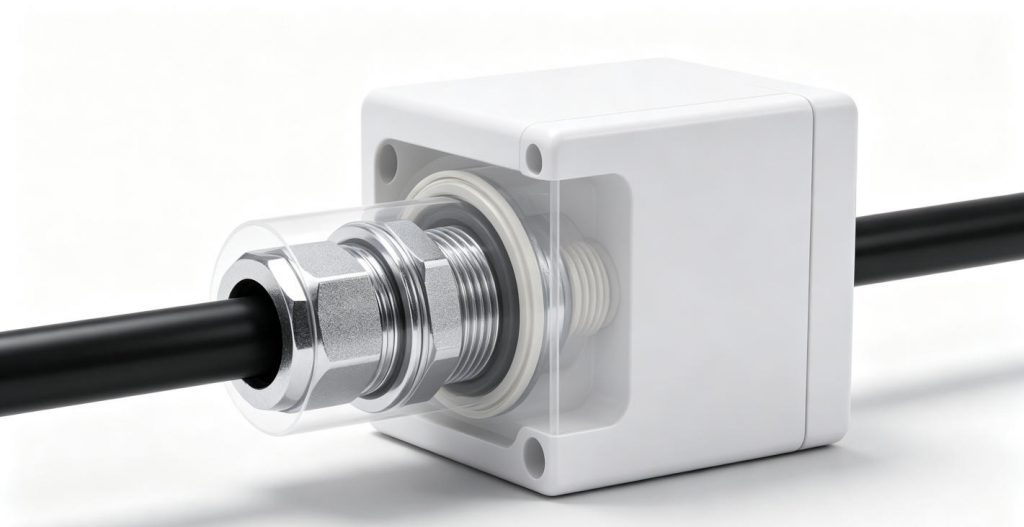
Two dimensions must be checked:
- The mounting thread must match the enclosure opening.
- The gland’s clamping range must match the cable outside diameter.
For example, M20 describes the mounting thread, not the cable diameter. Standard glands are also normally intended for one cable unless they use a purpose-designed multi-hole insert.
Saipwell provides different cable gland options for plastic and metal enclosures, including polyamide and metal designs with different thread and cable ranges.
Rubber Grommets
A rubber grommet fits around an enclosure opening to protect the cable from sharp edges, abrasion and limited vibration.
Common designs include:
- Open grommets:Provide basic edge protection.
- Closed or blind grommets:Seal unused holes.
- Semi-blind grommets:Include a thin section that can be pierced.
- Strain-relief grommets:Use a specific shape to grip the cable.
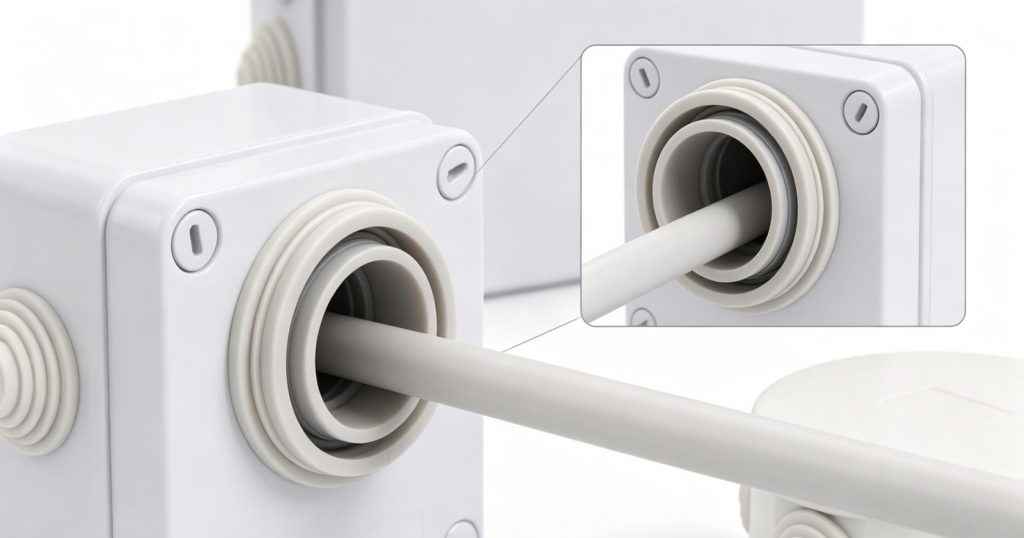
Rubber grommets are inexpensive, quick to install and often require no locknut. However, a standard grommet should not automatically be treated as a waterproof cable gland. Its sealing and strain-relief performance depend on the design, cable fit and tested rating.
Membrane Entries
A membrane entry uses a thin elastomer section that is pierced when the cable is installed. Individual membrane grommets fit round openings, while multi-cable entry plates combine several cable positions in one component.
Their main advantages are:
- Faster installation
- Fewer enclosure holes
- Higher cable density
- Compact cable routing
- Sealed unused membranes
Standard membrane plates are generally suited to cables without connectors. Pre-terminated cables with large plugs usually require a split cable entry frame and split grommets.
The cable diameter must remain within the specified membrane range. An oversized cable can tear the membrane, while an opening cut too large may not seal correctly. If a cable is later removed, a compatible plug or replacement membrane may be required.
Rubber Grommets vs Membrane Entries
A conventional rubber grommet is usually an individual ring installed in a panel hole and primarily provides edge protection. A membrane entry has a closed, pierceable section designed to fit around the inserted cable.
Multi-cable membrane plates can also route several cables through one component, while standard rubber grommets normally require separate holes. Because both may use elastomer materials, performance should be judged by structure and rating rather than material name alone.
Cable Glands vs Rubber Grommets vs Membrane Entries
| Selection Factor | Cable Glands | Rubber Grommets | Membrane Entries |
| Primary function | Sealing and strain relief | Cable-edge protection | Fast multi-cable entry |
| Installation speed | Moderate | Fast | Fast for multiple cables |
| Cable density | Low to medium | Medium | High |
| Strain relief | Generally strong | Usually limited | Depends on design |
| Sealing capability | High when correctly matched | Basic to rated sealing | Product-dependent |
| Pre-terminated cables | Split gland may be required | Split design may be used | Split frame usually required |
| Typical use | Outdoor and industrial entries | Simple box entries | Control and automation systems |
Choose cable glands for individual cables requiring controlled sealing and retention. Choose rubber grommets for simple cable protection. Choose membrane entries when installation speed and cable density are priorities.
How to Choose the Right Cable Entry System
Cable Quantity and Connector Status
Separate glands work well for a small number of individual cables. A multi-entry membrane plate is more efficient when many unterminated cables must enter through limited space.
If the cables already have connectors, confirm that they can pass through the opening. Split glands or split cable entry frames may be required to avoid removing the connectors.
Cable and Entry Dimensions
Selection should be based on cable outside diameter rather than conductor size alone. Check:
- Cable outside diameter
- Gland clamping range
- Grommet or membrane range
- Mounting-hole diameter
- Metric, PG or NPT thread
- Enclosure wall thickness
The box must also provide enough internal space for cable bending and terminal access. Tight cable bends can place unnecessary force on entry seals and internal connections.
Required IP or NEMA Protection
Consider the actual installation conditions:
- Indoor or outdoor location
- Rain and dust exposure
- Washdown or temporary immersion
- UV and temperature exposure
- Oil or chemical contact
The enclosure and cable entry component must both suit the required environment. IP and NEMA designations should not be treated as direct equivalents because they assess protection using different systems.
Strain Relief and EMC
Cables exposed to pulling, hanging weight or vibration need reliable strain relief. Cable glands generally provide stronger individual retention than standard grommets, although some membrane entries and specialized grommets also include strain-relief features.
Shielded cables may require EMC glands. When installed in a plastic junction box, the gland may need a separate connection to a grounding plate or conductor.
Future Maintenance
Consider whether cables will be added or replaced later. Cable glands make individual replacement straightforward, while membrane plates leave unused positions available for future cables. Split systems are useful when pre-terminated cables must be installed without removing connectors.
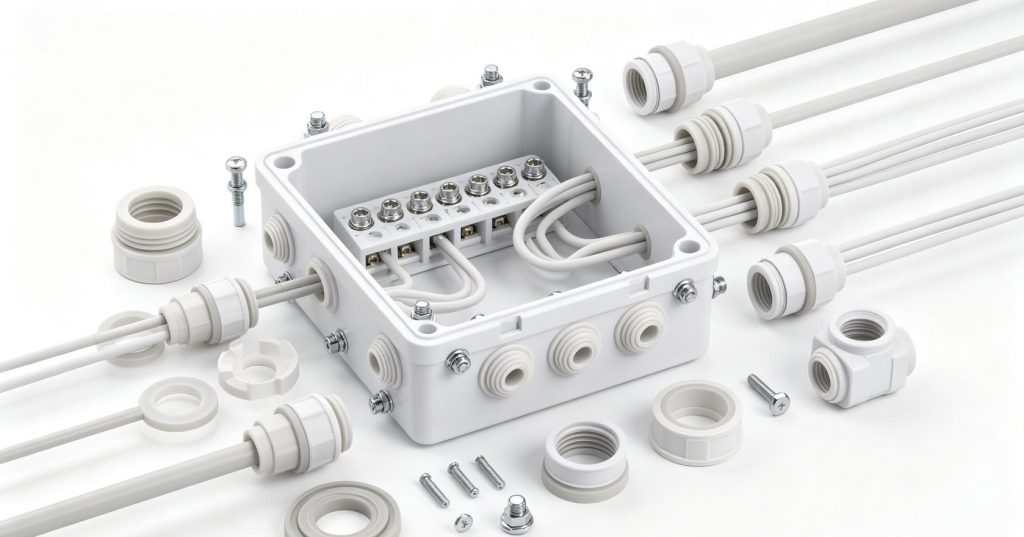
Installation and IP Protection Requirements
| Entry Type | Preparation | Installation | Main Check |
| Cable gland | Matching threaded or drilled hole | Install washer and locknut, then tighten | Cable range and seal compression |
| Rubber grommet | Smooth, correctly sized hole | Press fully into the opening | Panel thickness and cable fit |
| Membrane entry | Specified cutout | Mount and pierce the required membrane | Cable range and membrane condition |
Follow these basic practices:
- Remove sharp edges after drilling.
- Do not mix incompatible thread types.
- Avoid over-tightening glands against plastic walls.
- Pierce only the required membranes.
- Seal unused holes with rated plugs.
- Do not place multiple cables in a standard single-hole gland.
- Support heavy cables instead of leaving their weight on the entry.
- Check the completed installation for cable movement and visible gaps.
Incorrect gland sizing, damaged seals and unsealed holes are common causes of water ingress. Saipwell’s guide to waterproof junction box leaks provides a more detailed installation and troubleshooting checklist.
Saipwell RS-AG Waterproof Connection Box with Rubber-Sealed Entries
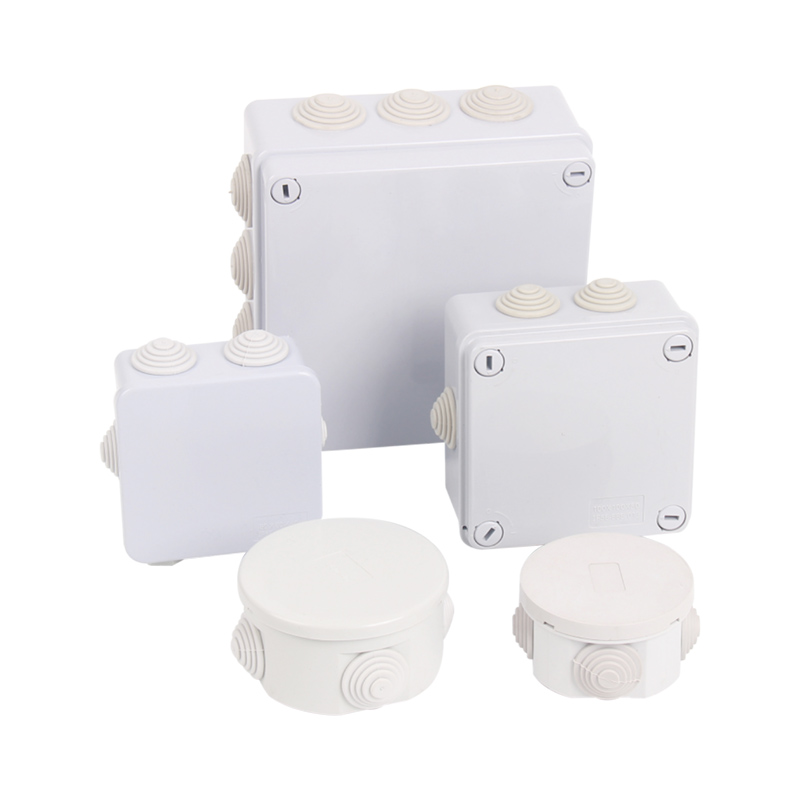
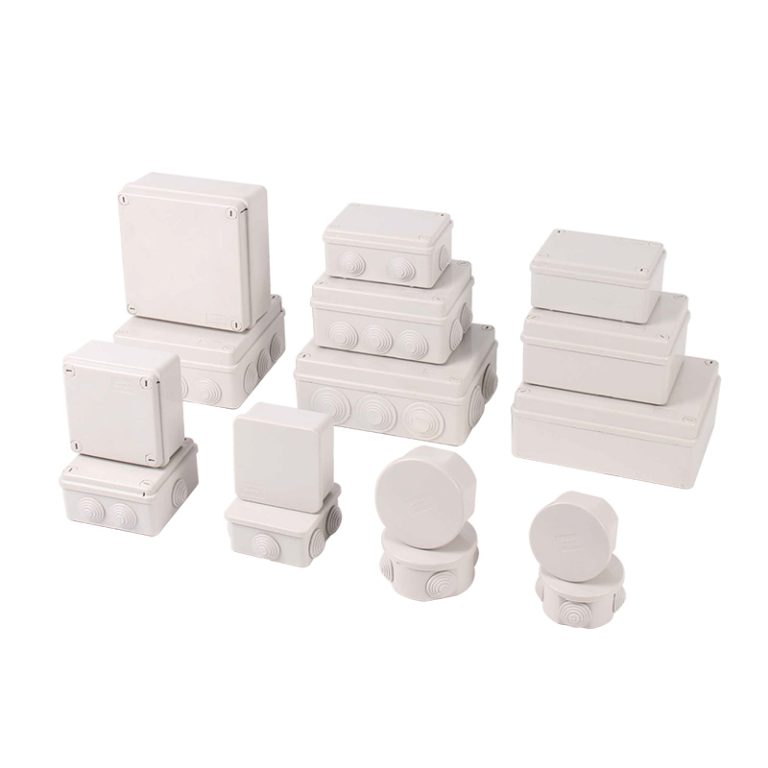
The Saipwell RS-AG Waterproof Connection Box with Rubber Seal is a plastic junction box with multiple pre-arranged rubber-sealed cable entries. It provides a convenient option where several cables need to enter the enclosure without installing a separate threaded gland at every position.
The series includes multiple round and rectangular sizes and can be used as a pushbutton box, terminal box, signal box, relay box, sensor box or communication junction box.
Select the model according to cable quantity, enclosure space and entry dimensions. Where strong individual strain relief is required, confirm whether additional cable support or a dedicated gland is needed.
Conclusion
Cable glands, rubber grommets and membrane entries serve different junction box requirements. Cable glands provide reliable sealing and retention, rubber grommets offer economical edge protection, and membrane entries simplify multi-cable installation.
The final choice should be based on cable quantity, outside diameter, connector status, environmental rating and mechanical load. Treating the enclosure and cable entries as one system helps maintain protection and reduces installation failures.
Frequently Asked Questions
What is the difference between a cable gland and a rubber grommet?
A cable gland seals and mechanically secures a cable, while a standard rubber grommet mainly protects it from the enclosure edge.
What is the difference between a rubber grommet and a membrane entry?
A grommet is usually an individual ring, while a membrane entry contains a closed section that is pierced when the cable is installed.
Which entry is best for a waterproof junction box?
Cable glands are generally preferred for individual cables requiring reliable sealing and strain relief. Rated membrane entries are suitable for multiple cables.
How do I choose the correct cable gland size?
Match the cable outside diameter to the gland’s clamping range, then confirm the mounting thread and enclosure-hole size.
Can multiple cables pass through one cable entry?
Yes, but only when using a component designed for multiple cables, such as a multi-hole gland insert or membrane entry plate.
Can cable glands be installed in plastic junction boxes?
Yes. The gland, sealing washer, locknut and hole size must match the box, and the gland should not be over-tightened.