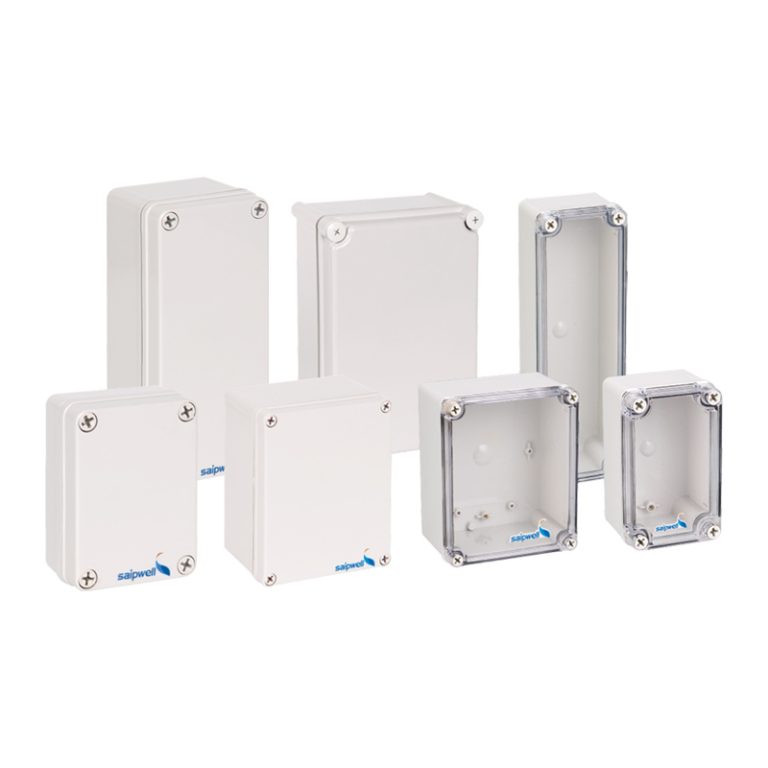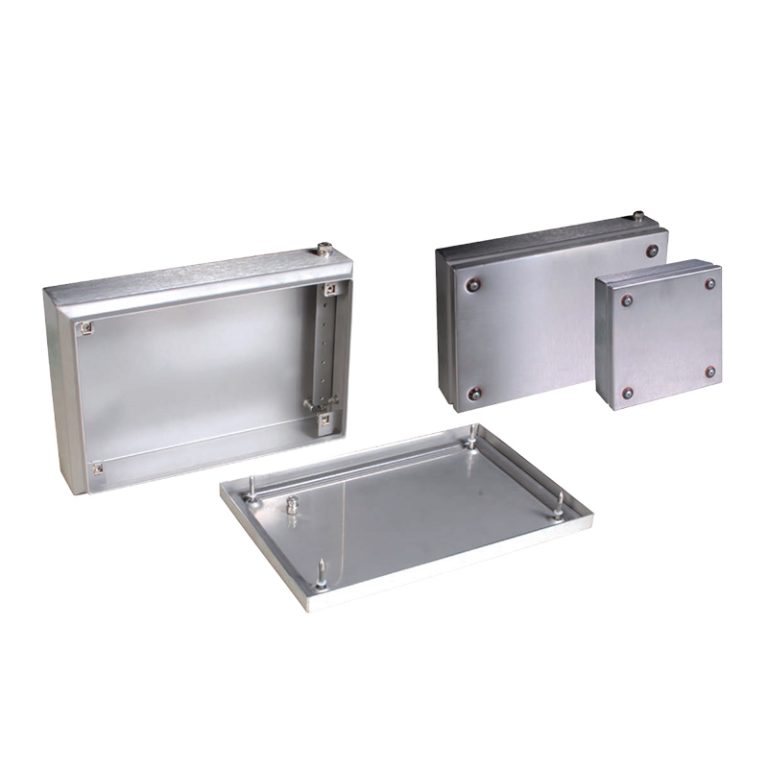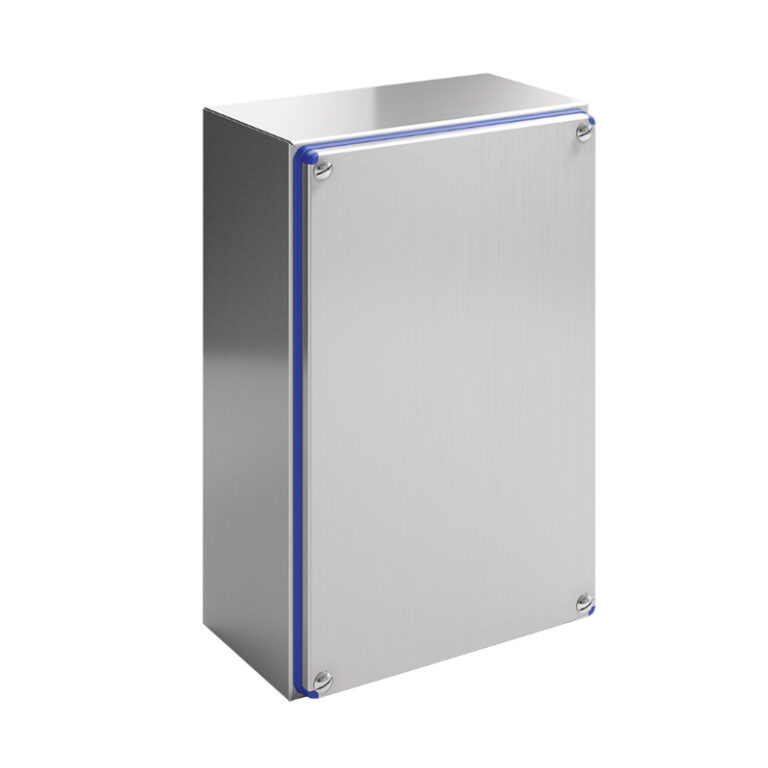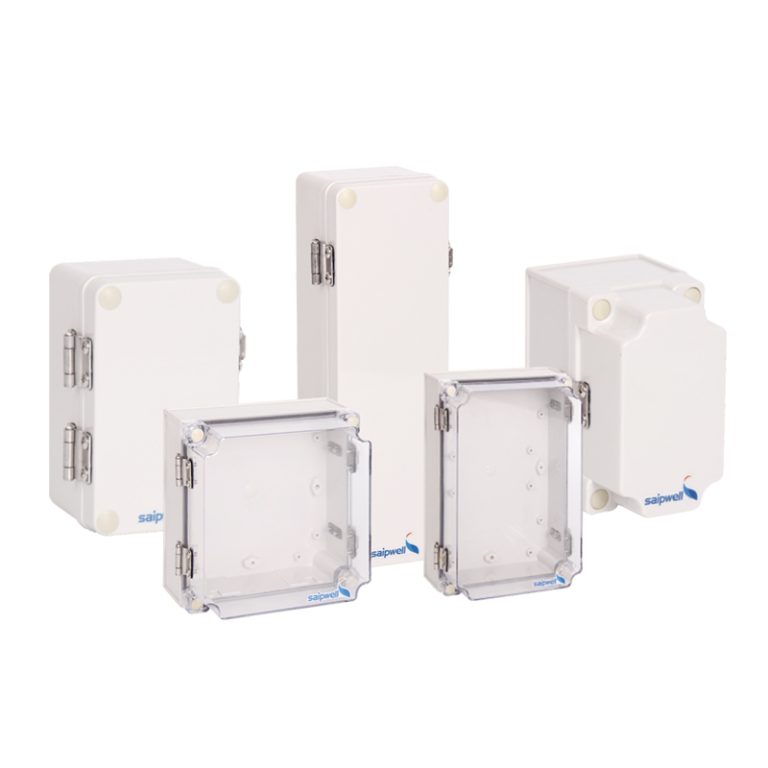




Metal junction boxes are usually better for conduit wiring, grounding, impact protection, and industrial applications, while plastic junction boxes are lightweight, corrosion-resistant, and suitable for general indoor wiring. The best choice depends on your cable type, installation environment, and protection requirements.
That answer is the starting point, not a universal rule. A plastic or metal electrical box must also match the applicable code, cable and fitting system, box-fill requirements, mounting load, temperature range, and environmental rating. The sections below compare the two materials in the same order an installer, engineer, or buyer would normally make the decision.

Metal and plastic junction box
Key Takeaways
- Metal junction boxes provide better mechanical strength and more straightforward bonding options for many industrial and heavy-duty applications.
- Plastic junction boxes are lightweight, corrosion-resistant, non-conductive, and easier to install for many general wiring projects.
- Cable type, wiring method, grounding requirements, and installation environment determine the right choice.
- Neither material is always better; the correct junction box depends on the application and the rating of the complete enclosure system.
Plastic vs Metal Junction Box: Quick Comparison
Use this table as a first-pass comparison, then confirm the detailed requirements in the sections that follow.
| Feature | Plastic Junction Box | Metal Junction Box |
| Material | ABS, PVC, polycarbonate, or fiberglass | Steel, stainless steel, or aluminum |
| Weight | Lightweight | Heavier |
| Impact Protection | Good when the material and wall thickness are suitable | Excellent for demanding or exposed locations |
| Corrosion Resistance | Excellent against rust; chemical resistance varies by resin | Depends on the metal, coating, and environment |
| Grounding | Enclosure is non-conductive; circuit grounding still applies | Enclosure generally must be bonded or grounded as required |
| Cable Entry | Listed clamps or cable glands; often paired with nonmetallic cable | Knockouts, cable clamps, and conduit fittings |
| Best Application | General indoor wiring and rated damp or corrosive installations | Industrial, heavy-duty, exposed, or conduit-based installations |
Are Metal Electrical Boxes Better Than Plastic?
Metal electrical boxes are better when the installation needs high mechanical strength, a robust exposed mounting point, compatibility with metal raceway systems, or an enclosure that can be bonded as part of the grounding design. They are not automatically better in every location. In a humid, chemical, or salt-laden environment, an unprotected steel box can corrode faster than a properly rated plastic, fiberglass, aluminum, or stainless steel enclosure.
When a Metal Junction Box Is the Better Choice
A metal junction box is usually the stronger candidate in the following situations:
- Conduit wiring: metal boxes accept common conduit fittings and integrate naturally with many metallic raceway systems, provided the complete path is bonded correctly.
- Industrial environments: machinery, control equipment, workshops, and production lines often expose enclosures to vibration, tool contact, cable weight, or repeated maintenance.
- Higher impact protection: rigid metal walls better resist crushing, blows, and accidental contact in exposed locations.
- Grounding requirements: a listed metal box provides a practical point for bonding when the electrical design requires it.
- Exposed installations: surface-mounted boxes in garages, factories, service areas, and utility spaces benefit from stronger physical protection.
Metal may also be preferred around higher-temperature equipment because the enclosure is non-combustible and generally tolerates heat better than common thermoplastics. The product rating, internal component temperatures, cable insulation, clearances, and local code still control the final selection.
Advantages and Limitations of Metal Junction Boxes

Advantages. Metal offers high durability, excellent mechanical strength, strong resistance to deformation, and a practical bonding point. It is well suited to heavy-duty conduit systems, industrial maintenance, vibration, and exposed wiring. Metal also contains sparks and arcing better than many light-duty plastic housings and does not soften like a thermoplastic under severe heat.
Limitations. Metal is heavier and may require more time, tools, and skill to mount, remove knockouts, install bushings or connectors, and complete bonding. Cut edges and knockouts must be handled carefully. Steel can also rust if its coating is damaged or if the enclosure is not designed for the moisture, chemicals, washdown, or salt exposure at the site. Stainless steel and aluminum improve corrosion performance, but material grade and enclosure construction still matter.
When Is a Plastic Junction Box the Better Choice?

A plastic junction box is often the better choice for ordinary indoor wiring, nonmetallic cable systems, low-voltage circuits, and installations where low weight and corrosion resistance reduce labor or maintenance. It can also be an effective outdoor or damp-location solution when the specific enclosure—not merely the word ‘plastic’—has the required UV, temperature, sealing, and ingress-protection ratings.
Advantages of Plastic Junction Boxes
- Lightweight: easier to carry, position, and mount, especially on light structures or in high-volume installations.
- Corrosion-resistant: plastic does not rust, which is valuable in humid locations and some chemical environments.
- Easy installation: many models include molded cable entries, integral clamps, or mounting features that reduce installation steps.
- Non-conductive: the enclosure itself cannot become energized, so it does not require bonding like a metal box; grounding of conductors and devices still applies.
Plastic is not a single material. ABS can be economical and easy to process, while polycarbonate usually provides better impact, heat, and UV performance. For a closer material-level comparison, see SAIPWELL’s ABS vs polycarbonate waterproof box guide.
Limitations of Plastic Junction Boxes
Plastic generally has lower crush and impact resistance than a comparable metal box and can crack if it is struck, over-tightened, improperly drilled, or exposed outside its temperature range. Some plastics degrade under ultraviolet light, soften near heat sources, or react with particular chemicals. A light-duty indoor box should not be moved into an industrial, rooftop, washdown, or high-impact application unless its listing and environmental rating cover that use.
Plastic also does not provide electromagnetic shielding or a conductive raceway path. If the wiring method depends on metal conduit or armored cable for grounding continuity, the installer must use a compatible, approved system rather than assume that any plastic box will work.
Grounding, Wiring Method, and Installation Requirements
The material decision should follow the wiring method. Before choosing a box, identify whether the project uses nonmetallic cable, armored cable, metal conduit, nonmetallic conduit, individual conductors, or pre-terminated control cables. Then verify the approved fittings, conductor count, box volume, support method, and grounding or bonding path required by the applicable local code.

Industrial safety
Metal Junction Boxes and Grounding
A metal enclosure is conductive. If an energized conductor contacts an unbonded box, the exterior can present a shock hazard. The box must therefore be connected to an effective fault-current path whenever the wiring rules require bonding. Depending on the system, that path may include an equipment grounding conductor, an approved metallic raceway, or both.
Use the box’s listed grounding provision, such as the designated threaded hole, grounding screw, lug, or approved clip. Do not use a random sheet-metal screw, and do not treat the neutral conductor as the enclosure bond. If a device is installed in the box, confirm whether the device, cover, conduit, and enclosure need separate bonding jumpers. These details are particularly important where concentric knockouts, flexible raceway, vibration, paint, or dissimilar metals could interrupt continuity.
Plastic Junction Boxes and Cable Installation
A plastic enclosure does not act as a grounding path and normally does not need to be bonded itself. That does not remove grounding requirements from the circuit. Equipment grounding conductors must still be joined and connected to receptacles, switches, fixtures, or other equipment as the wiring method and code require.
Cable entries need listed clamps, strain reliefs, conduit hubs, or cable glands sized for the cable and enclosure opening. A proper fitting prevents the cable from pulling on terminations and, in weatherproof assemblies, helps preserve the ingress rating. Do not drill arbitrary holes, omit sealing washers, or assume that a tight-looking cable entry is waterproof.
Outdoor Use and Corrosion Resistance: Which Material Works Better?
Outdoor suitability depends on the complete enclosure system: material, enclosure construction, cover, gasket, fasteners, cable entries, drainage, mounting orientation, UV stability, temperature rating, and IP or NEMA classification. Material alone cannot establish that a box is weatherproof.

Conductivity of metal junction box
Plastic Junction Boxes
A rated plastic waterproof box can work well in moisture, humidity, and corrosion-prone locations because the housing does not rust. Properly selected polycarbonate or fiberglass can also offer useful impact, UV, and chemical resistance. Check the exact resin, gasket material, lid design, flame and temperature ratings, and compatibility with cleaners, oils, salts, or process chemicals.

Rust on metal junction box
Plastic is especially attractive when corrosion is the dominant risk and impact is moderate. It is less suitable when the enclosure will experience severe mechanical abuse, sustained heat, heavy conduit loads, or a grounding and shielding design that relies on a conductive enclosure.
Metal Junction Boxes
Metal remains the stronger option where impact, vibration, heat, heavy cable systems, or industrial exposure dominate. For wet, coastal, food-processing, or chemical locations, a stainless steel electrical enclosure or a properly protected aluminum or coated-steel enclosure may outperform ordinary steel. Confirm the grade, coating, fasteners, gasket, and cable-entry hardware rather than relying on ‘metal’ as a general label.
For either material, match the enclosure’s rating to the actual exposure. The IP system classifies protection against access, solid objects, dust, and water; NEMA types also address defined environmental conditions. A gasketed cover cannot preserve its rating if unused openings are left unsealed or the wrong cable gland is installed.
How to Choose the Right Junction Box for Your Project?
Make the decision in this order: identify the wiring method, confirm grounding and bonding, assess impact and mounting loads, define environmental exposure, choose the required ingress and corrosion rating, and then compare installation time and lifecycle cost. Size the box for conductor fill, bending space, terminals, splices, devices, and future maintenance—never choose material while ignoring usable internal space.
| Application | Recommended |
| Residential wiring | Plastic, when compatible with the cable system and local code |
| Indoor control wiring | Plastic or metal, based on cable entries, grounding, shielding, and impact risk |
| Industrial machinery | Metal for robust mounting, vibration, impact, and conduit systems |
| Outdoor corrosive area | Rated plastic, fiberglass, aluminum, or stainless steel after chemical and UV review |
| High-impact area | Metal, with the appropriate environmental rating |
For outdoor sizing, material, and mounting considerations, review the waterproof junction box buying guide. If the choice affects a regulated installation, have a qualified electrician or engineer confirm the applicable code and product listing before installation.
Saipwell Plastic and Metal Junction Box Solutions
SAIPWELL supplies enclosure options for indoor wiring, outdoor protection, industrial automation, power distribution, and customized equipment projects. Product selection should be based on enclosure dimensions, material, IP or NEMA requirement, cable-entry layout, mounting method, internal component space, and the working environment.
Plastic Junction Boxes
The plastic waterproof enclosure range includes ABS and polycarbonate options for projects that prioritize low weight, electrical insulation, corrosion resistance, and sealed cable connections. ABS can suit economical general-purpose installations, while polycarbonate is often selected when improved impact, heat, or UV performance is needed. Always confirm the rating of the specific model.
Fiberglass enclosures provide another nonmetallic option when an application needs corrosion resistance together with greater structural performance than a light-duty thermoplastic box. They may be useful in industrial, outdoor, or chemical environments when the specific product ratings match the exposure.
Metal Junction Boxes
SAIPWELL’s metal junction box range supports applications that need durable construction, conduit entries, grounding provisions, and stronger impact protection. For larger assemblies, steel wall-mount electrical cabinets provide space for control components and cable management, while stainless steel options address more demanding corrosion and washdown conditions.
To request a suitable size, material, opening layout, mounting arrangement, or custom enclosure, contact SAIPWELL with the installation location, required rating, cable-entry direction, internal component layout, quantity, and any special grounding or corrosion requirements.
FAQ About Plastic and Metal Junction Boxes
Metal is better for many conduit, industrial, exposed, high-impact, and higher-temperature installations. Plastic is often better for light-duty indoor or corrosion-prone locations. Choose by wiring method, bonding, environmental rating, and local code—not material alone.
What is the difference between a plastic and metal junction box?
Plastic boxes are non-conductive, light, and rust-resistant; metal boxes are stronger, conductive, and generally better for conduit or exposed use. Metal usually requires bonding, while the plastic enclosure does not, although circuit grounding still applies.
Can I use a plastic junction box outdoors?
Yes—if the box is rated for the exposure and has suitable UV resistance, sealing, temperature performance, and cable entries. Not every plastic box is waterproof; incorrect glands or unsealed holes can defeat the rating. See common waterproof junction box leak causes for the main installation risks.
Do metal junction boxes need to be grounded?
Yes. A conductive metal box normally must be bonded to an effective equipment-grounding path as required by the wiring method and local code. Use its listed grounding provision and approved fittings.
Which junction box is better for conduit wiring?
Metal is usually better for metal conduit because it accepts standard fittings and supports bonding continuity. Plastic suits compatible nonmetallic conduit or approved systems with an independent grounding path. Always use a listed box-and-fitting combination.